Pack This Before Day One: Building a Sensory Toolkit That Helps Your Autistic Teen Own High School
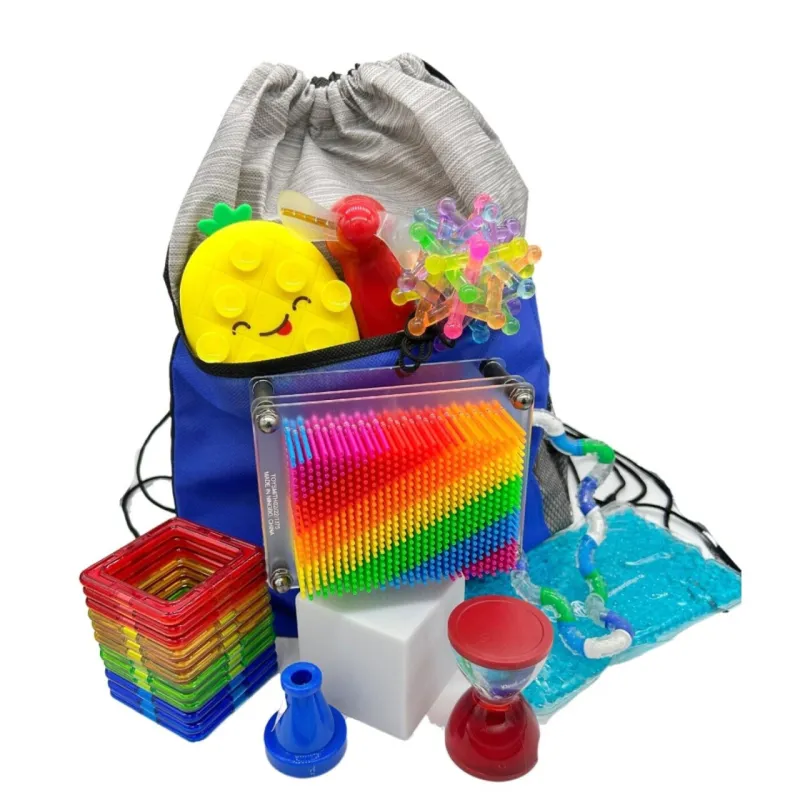
Photo: autistic teenager high school hallway backpack sensory tools, via cdn.specialneedstoys.com
High school is a lot. For any teenager, it's loud, crowded, socially complicated, and emotionally exhausting. For an autistic teen, those same hallways, cafeterias, and locker rooms can feel like a full-sensory assault before the first bell even rings.
The good news? Preparation makes an enormous difference. Not the kind of preparation that tries to eliminate every hard moment — that's not realistic, and honestly, it wouldn't serve your teen in the long run. The kind of preparation that hands them actual tools, teaches them how to use those tools, and builds the kind of self-awareness that will carry them well beyond graduation.
That's what a sensory toolkit is really about.
Why High School Hits Different
Middle school is no picnic, but high school introduces a whole new tier of sensory complexity. The buildings are bigger. The schedule is less predictable. There's less adult supervision in transitional spaces, which means more noise, more chaos, and fewer built-in breaks.
Crowded hallways between periods can involve hundreds of bodies moving in every direction, lockers slamming, conversations overlapping, fluorescent lights buzzing overhead. The cafeteria — especially during the first few weeks — can be one of the most overwhelming environments your teen has ever had to navigate regularly.
For a nervous system that already processes sensory input more intensely, this isn't just uncomfortable. It can be genuinely dysregulating in ways that affect concentration, emotional regulation, and behavior for hours afterward.
This is why building a personalized sensory strategy before day one isn't optional — it's essential.
What Goes in the Kit
A sensory toolkit isn't a one-size-fits-all list. It's built around your teen's specific sensory profile — what overwhelms them, what calms them, and what helps them reset when things get to be too much.
That said, here are some of the most commonly useful items to consider:
Noise management tools. Loop earplugs or low-profile noise-reducing earbuds are a game-changer for hallway transitions and loud lunch periods. They don't look conspicuous, they're socially acceptable, and they take the edge off without completely blocking out the environment. Foam earplugs work too, though they're harder to use discreetly.
Tactile comfort items. A small textured fidget, a smooth stone, or even a particular fabric swatch tucked into a pocket can provide the kind of grounding sensory input that helps regulate a nervous system that's starting to spiral. These items don't have to be obvious — they just have to work.
Visual rest tools. If your teen is sensitive to harsh lighting, a brimmed hat worn between classes (where dress code allows) or a pair of tinted glasses can reduce visual overwhelm significantly. Some teens also benefit from having a printed or digital schedule they can reference as a visual anchor when the day feels chaotic.
Scent tools. A small rollerball of a calming essential oil — lavender, frankincense, or whatever your teen finds grounding — applied to the wrist or inside of the elbow can offer a quick reset in a bathroom or quiet corner. Keep it simple and personal.
A snack with intention. Blood sugar crashes amplify sensory sensitivity and emotional dysregulation significantly. A small, protein-rich snack — nuts, a cheese stick, a hard-boiled egg — tucked into the bag gives your teen a concrete way to stabilize their nervous system during a long stretch between meals. This is where nutrition and neurodevelopment genuinely intersect in a practical way.
The Quiet Spot Strategy
Before school starts, do a walkthrough with your teen if possible. Identify two or three quiet spaces they can access when they need a moment to decompress — a library corner, a guidance counselor's office, a less-trafficked stairwell. Knowing where to go before the need arises means they don't have to make that decision when they're already overwhelmed.
This is also a great conversation to have with their IEP or 504 team. Many schools will formally designate a sensory break space or allow a student to leave class two minutes early to avoid the hallway rush. These aren't special favors — they're reasonable accommodations that support your teen's ability to learn and function. Advocate for them clearly and confidently.
Teaching Self-Advocacy, Not Just Coping
Here's where the real work happens. Handing your teen a toolkit is step one. Teaching them to use it independently — and to know when they need it — is the whole point.
Spend time this summer having low-stakes conversations about their sensory experience. What does overwhelm feel like in their body before it reaches the boiling point? Do they notice tension in their shoulders? A feeling of heat in their chest? Trouble tracking conversations? The earlier they can recognize their own early warning signs, the more agency they have in their own regulation.
Practice using the toolkit tools so they don't feel awkward or unfamiliar in the moment. Role-play asking a teacher for a sensory break. Talk through what they might say to a friend who notices their earbuds. Normalizing these tools at home makes it far easier to use them confidently at school.
The goal isn't to help your teen avoid hard situations forever. It's to give them enough stability and self-knowledge to move through hard situations without being derailed by them.
A Note on Identity and Dignity
Teens care — sometimes intensely — about how they're perceived. Any sensory strategy that makes your teen feel embarrassed or singled out is going to get quietly abandoned in the bottom of their locker by week three.
Involve your teen in building their toolkit. Let them choose the style of earbuds. Let them pick the scent. Let them decide what they're comfortable using publicly versus privately. Their buy-in isn't just nice to have — it's the difference between a toolkit that actually gets used and one that doesn't.
Framing matters too. These aren't accommodations because something is wrong with them. These are tools that help their brain work at its best in an environment that wasn't exactly designed with their nervous system in mind. That's a meaningful distinction, and your teen deserves to hear it.
The Bigger Picture
High school is four years. But the skills your teen builds during those four years — self-awareness, self-advocacy, the ability to recognize what their body needs and ask for it — those travel. They show up in college dorms, in job interviews, in relationships, in every environment they'll ever navigate.
A sensory toolkit isn't a crutch. It's a foundation. And building it thoughtfully, before the chaos begins, is one of the most genuinely useful things you can do for your teen right now.
They've got this. And so do you.