Son-Rise Wellness Holistic Health & Hope for Every Family

Son-Rise Wellness

Holistic Health & Hope for Every Family

Latest Articles

When Summer Breaks the Routine: Understanding Skill Regression in Autistic Kids — and What You Can Do About It
Nutrition & Neurodevelopment

When Summer Breaks the Routine: Understanding Skill Regression in Autistic Kids — and What You Can Do About It

Summer is supposed to be the easy season — but for many autistic children, the loss of school structure can quietly unravel months of hard-won progress. Understanding why regression happens during long breaks is the first step toward preventing it, without sacrificing the rest and connection your family genuinely needs.

The Invisible Tax: What Your Child's Perfect School Day Is Really Costing Them by Nightfall
Nutrition & Neurodevelopment

The Invisible Tax: What Your Child's Perfect School Day Is Really Costing Them by Nightfall

If your autistic child holds it together beautifully at school but seems like a completely different kid the moment they walk through the front door, you're not imagining things. The effort to appear neurotypical all day long carries a very real physiological and emotional price — and your home is where that bill finally comes due. Understanding the masking burnout cycle can change everything about how you support your child after hours.

Pack This Before Day One: Building a Sensory Toolkit That Helps Your Autistic Teen Own High School
Nutrition & Neurodevelopment

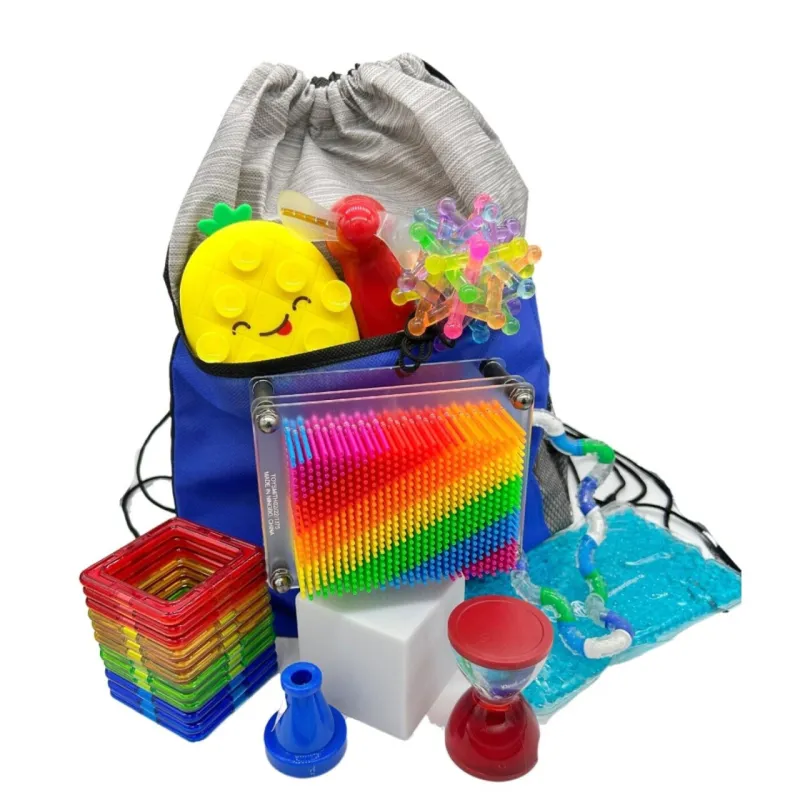
Pack This Before Day One: Building a Sensory Toolkit That Helps Your Autistic Teen Own High School

High school hallways can feel like sensory warfare for autistic teens — the noise, the crowds, the unpredictability. But with the right tools in their backpack and the right strategies in their corner, your teen can walk into that building feeling equipped, not overwhelmed. This is about turning sensory management into a superpower, not a secret.

Straight A's in Things School Never Tests: Recognizing What Your Autistic Child Is Actually Great At
Nutrition & Neurodevelopment

Straight A's in Things School Never Tests: Recognizing What Your Autistic Child Is Actually Great At

Report cards measure a narrow slice of human ability — and for autistic kids, that slice often misses the most remarkable parts. If your child's grades don't reflect the brilliant, capable person you see at home, you're not imagining things. Here's what's really going on, and what you can do about it.

Why Days Off Can Feel Like Days On: Understanding Anxiety Spikes in Autistic Kids During Unstructured Time
Nutrition & Neurodevelopment

Why Days Off Can Feel Like Days On: Understanding Anxiety Spikes in Autistic Kids During Unstructured Time

You'd think a Saturday with nowhere to be would feel like relief — but for many autistic children, unstructured days can actually trigger more meltdowns, more anxiety, and more dysregulation than a packed school week. Here's what's really going on in your child's nervous system when the schedule disappears, and how you can build rest that actually feels restful.

They Held It Together All Day — And Now They're Falling Apart on You. Here's Why That's Actually a Good Sign.
Nutrition & Neurodevelopment

They Held It Together All Day — And Now They're Falling Apart on You. Here's Why That's Actually a Good Sign.

Your child walks through the front door and within minutes, the tears, the meltdowns, and the total shutdown begin. It can feel like you're doing something wrong — but the truth is, your home might be the safest place your child has ever known. Understanding autistic masking can completely reframe what's happening after school.

The First Hour Is Everything: How to Build a Morning Routine That Actually Works for Your Sensory-Sensitive Child
Nutrition & Neurodevelopment

The First Hour Is Everything: How to Build a Morning Routine That Actually Works for Your Sensory-Sensitive Child

For many autistic children, the chaos of a rushed morning doesn't just make them grumpy — it can derail their nervous system for hours. Here's what the science says about why those first 30 to 60 minutes matter so much, and how to build a morning routine your child's brain can actually work with.

Let There Be Light: How Natural Light Cycles Help Regulate Your Autistic Child's Mood, Focus, and Nervous System
Nutrition & Neurodevelopment

Let There Be Light: How Natural Light Cycles Help Regulate Your Autistic Child's Mood, Focus, and Nervous System

For many autistic children, something as simple as light — or the wrong kind of it — can send their entire nervous system into chaos. The good news? Understanding how natural light cycles affect your child's brain and body opens up a surprisingly powerful set of tools for supporting their mood, focus, and daily regulation.

Golden Hour Parenting: How the First Light of Morning Can Transform Your Autistic Child's Entire Day
Nutrition & Neurodevelopment

Golden Hour Parenting: How the First Light of Morning Can Transform Your Autistic Child's Entire Day

The hour after sunrise isn't just pretty — for autistic kids, it might be the most neurologically powerful window of the day. Learn how natural light, gentle pacing, and a sensory-aware morning routine can lay down a calmer, more regulated foundation before the world gets loud.

When 'No' Is the Healthiest Word Your Child Can Say
Nutrition & Neurodevelopment

When 'No' Is the Healthiest Word Your Child Can Say

Forcing compliance—even with the best intentions—can quietly unravel your autistic child's nervous system in ways you might not immediately see. Learning to honor your child's 'no' isn't about giving up boundaries; it's about building the kind of safety that actually helps them grow. Here's what the science of autonomy and regulation has to say about it.

Spent by 3pm: Understanding Why Your Autistic Child Unravels After School — and How to Help Them Recover
Nutrition & Neurodevelopment

Spent by 3pm: Understanding Why Your Autistic Child Unravels After School — and How to Help Them Recover

If your child holds it together all day at school only to fall apart the moment they walk through your front door, you're not imagining things — and it's not a parenting problem. There's a real neurological cost to the performance of 'fitting in,' and your child is paying it every single day. Here's what's actually happening, and how you can help them recharge.

Spinning, Rocking, Repeating: What Your Child's Repetitive Behaviors Are Actually Doing for Their Brain
Nutrition & Neurodevelopment

Spinning, Rocking, Repeating: What Your Child's Repetitive Behaviors Are Actually Doing for Their Brain

When your child rocks back and forth, lines up their toys for the hundredth time, or gets stuck on the same phrase all day, it can feel alarming — but there's a lot more going on beneath the surface than most people realize. Repetitive behaviors aren't random glitches; they're the nervous system doing exactly what it needs to do. Understanding why can completely change how you respond.

Why Your Child Falls Apart Every October (And Every April): The Seasonal Nervous System Connection
Nutrition & Neurodevelopment

Why Your Child Falls Apart Every October (And Every April): The Seasonal Nervous System Connection

If your autistic child seems to unravel at the same times every year, you're probably not imagining it. Seasonal transitions — with their shifting light, temperature swings, and disrupted routines — can genuinely destabilize a sensitive nervous system. Here's what's actually happening, and what you can do about it.

Your Child Isn't 'Acting Out' — They're Speaking a Language You Haven't Learned Yet
Nutrition & Neurodevelopment

Your Child Isn't 'Acting Out' — They're Speaking a Language You Haven't Learned Yet

That hand-flapping, rocking, or humming your child does isn't random — it's a full conversation happening right in front of you. Once you start seeing stimming as a nervous system language rather than a behavior problem, everything shifts. Here's how to start listening.

When Food Becomes a Clue: Uncovering How What Your Child Eats Affects How They Think, Feel, and Behave
Nutrition & Neurodevelopment

When Food Becomes a Clue: Uncovering How What Your Child Eats Affects How They Think, Feel, and Behave

For many autistic children, unexplained meltdowns, brain fog, and mood swings may have more to do with what's on their plate than what's happening in their environment. Understanding the link between food sensitivities and neurodevelopment can open up a whole new path forward for your family. Here's what parents need to know about identifying triggers and making targeted changes that actually stick.

Storm Season: What Your Child's Emotional Explosions Are Really Trying to Tell You
Nutrition & Neurodevelopment

Storm Season: What Your Child's Emotional Explosions Are Really Trying to Tell You

When your child reaches their breaking point, the instinct to stop it fast is completely understandable — but what if that explosion is actually doing important neurological work? Science is beginning to reframe intense emotional responses in autistic children not as failures of behavior, but as meaningful signals from an overloaded nervous system. Here's what that shift in perspective could mean for your whole family.

Beyond the Breakdown: Learning to Hear What Your Child Can't Say
Nutrition & Neurodevelopment

Beyond the Breakdown: Learning to Hear What Your Child Can't Say

When your child melts down, it can feel like chaos—but there's actually a message buried inside every intense moment. Understanding meltdowns and shutdowns as communication, not manipulation, can completely change how your family navigates the hard days. Here's how to start listening differently.

Let Them Move: How Play and Physical Activity Are Rewiring the Autistic Brain
Nutrition & Neurodevelopment

Let Them Move: How Play and Physical Activity Are Rewiring the Autistic Brain

Emerging research is showing that purposeful movement and play aren't just fun—they're powerful tools for neurological growth in autistic kids. From backyard obstacle courses to sensory swings, families across the country are discovering that getting kids moving can unlock emotional regulation, communication, and connection in ways traditional therapies sometimes miss.

When the Night Feels Too Loud: Rethinking Sleep for Sensory-Sensitive Kids
Nutrition & Neurodevelopment

When the Night Feels Too Loud: Rethinking Sleep for Sensory-Sensitive Kids

For many autistic children and their families, bedtime isn't a peaceful wind-down — it's a gauntlet of textures, sounds, and lights that make rest feel impossible. Understanding the deep link between sensory processing and sleep can change everything. Here's what families across the US are discovering, and what the science actually says.

What's Happening in Your Child's Gut Might Be Shaping Their World
Nutrition & Neurodevelopment

What's Happening in Your Child's Gut Might Be Shaping Their World

New research is revealing a surprising link between digestive health and how autistic children experience emotions, sensory input, and daily life. For families navigating autism, understanding the gut-brain axis could open doors to meaningful, holistic support. Here's what the science says — and where to start.