Let There Be Light: How Natural Light Cycles Help Regulate Your Autistic Child's Mood, Focus, and Nervous System

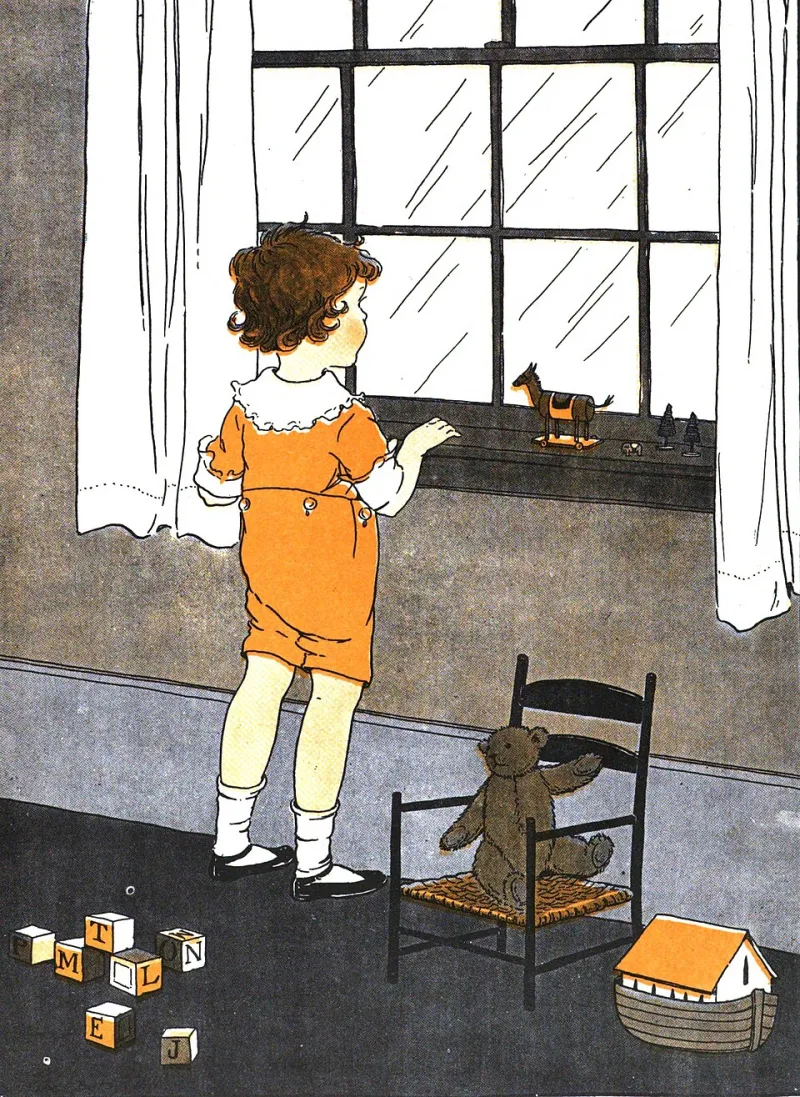
Photo: Wici Rhuthun 1, CC BY-SA 3.0, via Wikimedia Commons
If you've ever noticed your child melting down more in winter, struggling to settle after a screen-heavy afternoon, or waking at odd hours despite what feels like a solid bedtime routine — light might be part of the story you haven't fully explored yet.
Not light in some abstract, metaphorical sense. Actual, physical, measurable light. The kind that pours through your kitchen window in the morning, bounces off your backyard grass at noon, and dims to amber tones as the sun sets. That rhythm — the one humans evolved alongside for hundreds of thousands of years — is deeply woven into how our nervous systems regulate themselves. And for autistic children, whose nervous systems are often already working overtime, disruptions to that rhythm can have outsized effects.
This is something we think about a lot here at Son-Rise Wellness. The word "son-rise" isn't just a name — it's a nod to the idea that natural principles, like the daily arc of the sun, hold real wellness potential for our families. Light is one of the most underutilized tools in the holistic health toolkit, and it's completely free.
Your Child's Brain Has a Clock — And It Runs on Light
Deep inside the brain sits a tiny structure called the suprachiasmatic nucleus, or SCN. Think of it as your child's internal timekeeper. It governs the circadian rhythm — the roughly 24-hour biological cycle that controls sleep-wake patterns, hormone release, body temperature, digestion, and even immune function.
The SCN gets its primary cue from light. Specifically, it's sensitive to the blue wavelengths that dominate natural daylight. When morning light hits the eyes, it signals the brain to suppress melatonin (the sleep hormone) and ramp up cortisol — giving the body its "wake up and engage" signal. As evening arrives and light dims, melatonin rises again, preparing the body for rest.
This elegant system works beautifully — when it's working. But research suggests that many autistic individuals have measurable differences in melatonin production, cortisol timing, and overall circadian rhythm regulation. A 2019 study published in Molecular Autism found that autistic children were significantly more likely to experience disrupted melatonin rhythms compared to neurotypical peers. That disruption doesn't just affect sleep — it ripples outward into mood stability, sensory sensitivity, attention, and emotional regulation throughout the entire day.
When Artificial Light Becomes the Problem
Here's where modern life complicates things. Most American kids today spend the majority of their waking hours indoors, under fluorescent or LED lighting — and in front of screens that emit strong blue-spectrum light well into the evening. For a neurotypical child, this might mean some difficulty falling asleep. For a sensory-sensitive, autistic child whose nervous system is already working hard to process the world, it can be genuinely destabilizing.
Fluorescent lighting in particular is a well-known trigger for many autistic individuals. The flicker rate — even when invisible to the naked eye — can create a low-level sensory stress response that builds over hours. Many kids and adults can't articulate why they feel "off" in certain spaces, but the lighting is doing real work on their nervous system beneath the surface.
And then there's screen time in the evening. That blue-light exposure tricks the SCN into thinking it's still midday, suppressing melatonin and keeping the brain in a state of alertness when it should be winding down. For a child who already struggles with sleep transitions, this is like pouring fuel on a fire.
What Optimized Light Actually Looks Like at Home
The good news is that you don't need to overhaul your entire home or spend a lot of money to start working with light more intentionally. Here are some practical places to start:
Morning light exposure is the anchor. Try to get your child outside — or near a large, south-facing window — within 30 to 60 minutes of waking. Even on cloudy days, outdoor light is many times brighter than indoor lighting and delivers the circadian signal the brain needs to set its internal clock. Ten to fifteen minutes can make a meaningful difference in daytime alertness and evening sleep onset.
Rethink your indoor lighting by time of day. In the morning and early afternoon, brighter, cooler-toned lighting supports alertness. As the afternoon winds down, consider switching to warmer, dimmer bulbs. Smart bulbs (like those in the Philips Hue or LIFX lines) can automate this shift, which takes the decision-making off your plate entirely.
Swap out harsh overhead fluorescents where you can. Lamps with warm-spectrum bulbs, or even salt lamps in relaxation spaces, can reduce sensory load in the hours before bed. Some families find that removing overhead lighting from bedrooms entirely — relying on softer, lower lamps instead — helps their child transition into sleep mode more smoothly.
Use blue-light filters in the evening. Most smartphones, tablets, and computers now have built-in "night mode" or "night shift" settings that shift the screen toward warmer tones after sunset. Apps like f.lux do the same thing for computers. These aren't perfect solutions, but they reduce the circadian disruption from screen use.
Protect the hour before bed. This one is hard in most American households, but reducing all screen use in the 60 minutes before your child's bedtime — and dimming lights throughout the home — gives the melatonin system its best chance to do its job.
Light as a Regulation Tool During the Day
Beyond sleep and morning routines, natural light can serve as an active regulation tool during the day. If your child comes home from school dysregulated — overstimulated, emotionally fragile, or just "fried" — a few minutes outside in natural light before any demands are placed on them can help reset the nervous system. This isn't just intuition; it's connected to the known effects of daylight on serotonin production, which supports mood stability and emotional resilience.
Some occupational therapists working with autistic children are beginning to incorporate light awareness into sensory diet recommendations for exactly this reason. Natural light doesn't replace other sensory supports, but it works synergistically with movement, nutrition, and rest to create a more regulated internal environment.
For families dealing with significant sleep challenges, some pediatric practitioners are also exploring light therapy lamps — devices that mimic the spectrum of morning sunlight — as a non-pharmaceutical support for circadian rhythm disruption. If this is something you're curious about, it's worth a conversation with your child's integrative or developmental pediatrician.
The Bigger Picture
We live in an era that has largely decoupled human life from natural rhythms. We light our homes at midnight the same way we light them at noon. We send our kids to schools with no windows in the classrooms. We hand them glowing screens as soon as the sun goes down. For most people, these disruptions are inconvenient. For many autistic children, they're genuinely destabilizing.
Realigning your family's relationship with light — especially natural light — is one of those holistic strategies that costs almost nothing and asks only for a little intention. It won't solve everything. But it works with your child's biology rather than against it, and that's always a good place to start.
At Son-Rise Wellness, we believe that the most powerful health tools are often the ones hiding in plain sight — or in this case, streaming through your window every single morning. Sometimes, the most healing thing you can do is simply let the light in.